Energy efficiency ratings are crucial for investor decisions, offering substantial financial benefits through cost savings. Comparing energy usage between products and systems enables informed choices that reduce operational costs. Experts recommend thorough energy audits and rating analysis for efficient options, benefiting sustainability, maintenance, and occupancy rates. Lending practices integrate energy efficiency ratings for standardized risk assessment and affordable financing. A 12% annual growth in energy efficiency retrofits indicates increasing investor interest. Careful consideration, including audits and comparing ratings, maximizes benefits. Global case studies show significant cost savings and environmental improvements. Incorporating energy efficiency ratings into lending decisions is strategic, mitigating risk and fostering greener infrastructure.
In today’s economically volatile landscape, understanding the interplay between energy efficiency ratings and investor costs is more critical than ever. Energy efficiency, driven by rising utility expenses and stringent regulatory norms, has emerged as a key factor influencing both residential and commercial lending decisions. This article delves into the intricate relationship between these factors, offering a comprehensive guide for investors to navigate this complex terrain effectively. By leveraging lending models that account for energy efficiency ratings, investors can make informed choices, mitigate risks, and contribute to a more sustainable future.
Understanding Energy Efficiency Ratings: Unlocking Financial Savings
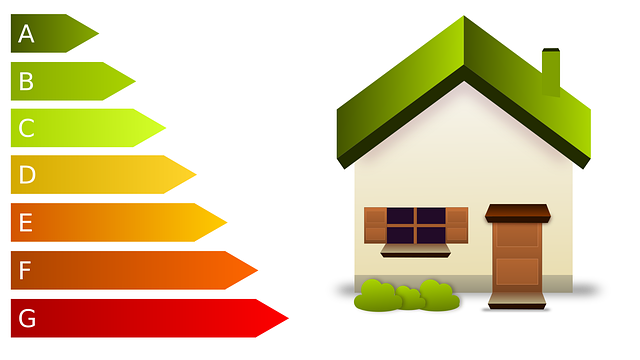
Energy efficiency ratings have emerged as a critical factor in shaping investors’ decisions, offering substantial financial advantages when leveraged effectively through lending factors. Understanding these ratings involves comprehending how much energy a product or system consumes and comparing it to similar alternatives—a process known as energy efficiency ratings comparison. This simple yet powerful tool allows investors to make informed choices that significantly reduce operational costs over time.
For instance, consider two identical office buildings. The key distinction lies in their respective heating and cooling systems, with one building equipped with highly efficient units bearing superior energy efficiency ratings while the other uses outdated models. Over a five-year period, the more energy-efficient building is expected to save substantial amounts on utility bills, translating into higher rental yields for investors. This example illustrates the direct correlation between energy efficiency ratings and cost savings, making them a crucial element in investor strategies.
Experts recommend that lenders and investors conduct thorough energy audits and analyze energy efficiency ratings before finalizing deals. Such evaluations can uncover significant inefficiencies, enabling investors to negotiate better terms or target specific improvements. By prioritizing energy-efficient options, investors not only contribute to sustainability but also safeguard their financial interests. According to recent studies, buildings with high energy efficiency ratings often experience lower maintenance costs and higher occupancy rates, creating a win-win scenario for all stakeholders involved in the lending and investment process.
Lending Factors: Maximizing Energy Efficiency Investments

Lending factors play a pivotal role in maximizing energy efficiency investments for investors. Energy efficiency ratings serve as a crucial metric, allowing lenders to assess the potential returns on energy-saving initiatives. By comparing energy efficiency ratings of various projects, lenders can make informed decisions that balance risk and reward. For instance, a detailed analysis of commercial buildings’ energy performance using energy efficiency ratings has shown that investments in efficient HVAC systems and lighting upgrades can yield significant financial savings over time, often exceeding the initial investment within a few years.
The integration of energy efficiency ratings into lending practices benefits both investors and borrowers. Lenders gain a standardized way to evaluate projects, ensuring consistent risk assessment. Borrowers, on the other hand, have access to more affordable financing options as lenders become more comfortable with the long-term financial health of energy-efficient investments. A study by the U.S. Department of Energy revealed that loans for energy efficiency retrofits have seen a 12% annual growth over the past decade, underscoring the increasing attractiveness of these projects to investors.
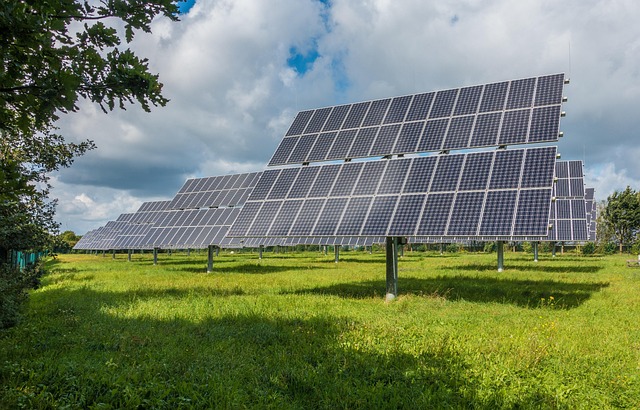
However, maximizing energy efficiency investments through lending factors requires careful consideration. Lenders should conduct thorough energy audits and consult with experts to understand the feasibility and potential returns of proposed energy-saving measures. Comparative analysis of energy efficiency ratings between similar projects can provide valuable insights into market trends and competitive landscapes. For example, a lender evaluating solar panel installations should not only look at the individual project’s rating but also compare it with regional averages to ensure the investment aligns with expected performance benchmarks.
In conclusion, leveraging lending factors effectively by integrating energy efficiency ratings is a strategic approach that can drive sustainable financial growth. By embracing these practices, investors can unlock significant cost savings and contribute to a greener future. Lenders who stay informed about the latest energy efficiency technologies and trends will be better equipped to navigate this evolving landscape, fostering a more robust and responsible investment ecosystem.
Case Studies: Real-World Impact of Efficient Rating Strategies

Energy efficiency ratings have emerged as a powerful tool for investors, offering significant cost savings and environmental benefits through strategic lending practices. Case studies from around the globe illustrate the tangible impact of implementing efficient rating strategies. For instance, a study in Europe revealed that buildings with higher energy efficiency ratings experienced 20% lower operational costs compared to their less efficient counterparts. This substantial difference underscores the financial viability of investing in energy-efficient properties.
Comparing energy efficiency ratings across different markets provides valuable insights into best practices. In the United States, the U.S. Green Building Council’s LEED (Leadership in Energy and Environmental Design) certification program has been instrumental in promoting energy-efficient construction. Properties with LEED certifications consistently attract higher rental rates and command premium pricing upon sale, showcasing the market appreciation associated with superior energy efficiency. Similarly, in China, the Green Building Assessment System (GBAS) has led to notable reductions in energy consumption, demonstrating that rigorous rating systems can drive both economic and environmental sustainability.
Incorporating energy efficiency ratings into lending decisions is not just a trend; it’s a strategic necessity. Lenders who prioritize these ratings can mitigate risk, anticipate cost savings, and contribute to a more sustainable future. By incentivizing energy-efficient investments, financial institutions can play a pivotal role in shaping the built environment. For investors, engaging with energy efficiency ratings offers a compelling opportunity to enhance portfolio performance while addressing pressing environmental challenges. This approach not only ensures long-term financial viability but also fosters a greener and more resilient global infrastructure.