
Energy efficiency ratings are crucial for investors strategizing in today's market. They measure and compare energy utilization across sectors, highlighting best performers with superior power management. High ratings attract environmentally conscious investors and open access to sustainable markets, offering both financial savings and reduced carbon footprints. Integrating these ratings into investment strategies anticipates market shifts, identifies risks and opportunities, and contributes to a greener economy. Increasingly, investors are reallocating capital towards energy-efficient entities in sectors like manufacturing, technology, and utilities, recognizing both risk mitigation and long-term sustainability benefits.
In today’s economically volatile landscape, investors seek strategic advantages to navigate the market effectively. Among the key differentiators is the growing significance of energy efficiency ratings—a metric that reflects a company’s commitment to sustainability and cost optimization. Understanding how these ratings influence investment strategies is paramount for both financial gain and environmental stewardship. This article delves into the intricate relationship between energy efficiency ratings and investor behavior, providing valuable insights into the financial trends that are reshaping the market. By exploring this connection, we offer a comprehensive guide for investors seeking to make informed decisions in an increasingly green-conscious world.
Understanding Energy Efficiency Ratings: A Key Indicator

Energy efficiency ratings have emerged as a critical indicator for investors navigating today’s market, significantly influencing strategic decisions. As businesses seek to optimize costs and reduce environmental impacts, these ratings offer a window into operational efficiency and sustainability—two factors increasingly driving financial performance. Understanding energy efficiency ratings involves delving into metrics that quantify the effectiveness of energy utilization within various sectors, from manufacturing to residential buildings.
Comparing energy efficiency ratings across different entities allows investors to identify best-in-class performers. For instance, an energy-efficient data center might boast a 95% rating, indicating superior management of power consumption compared to peers with lower scores. Such comparisons enable informed investment choices, as companies with robust energy efficiency ratings often demonstrate a commitment to cost reduction and operational excellence. Moreover, they can attract environmentally conscious investors and access niche markets demanding sustainable practices.
Beyond financial savings, the environmental benefits are significant. Higher energy efficiency ratings correlate with reduced carbon footprints, aligning with global sustainability goals. Investors increasingly consider these factors, as demonstrated by trends in green financing—a surge in investments channeled towards projects and companies promoting renewable energy and resource conservation. By integrating energy efficiency ratings into investment strategies, professionals can anticipate future market shifts, identify potential risks and opportunities, and contribute to a more sustainable economic landscape.
The Financial Impact: Trends Shaped by Efficiency
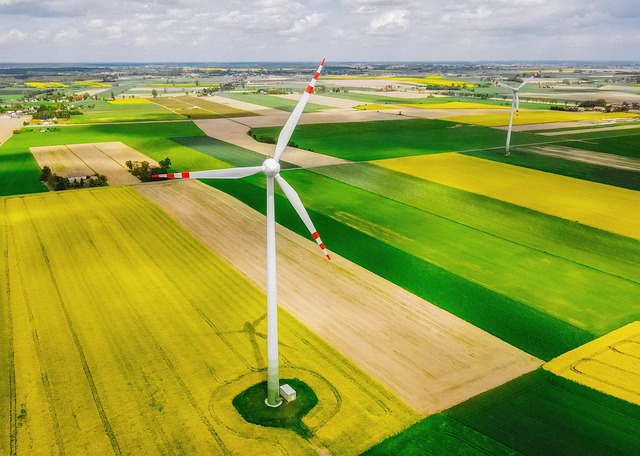
Energy efficiency ratings have emerged as a critical factor influencing investor strategies, reshaping financial trends across various sectors. As businesses and consumers increasingly prioritize sustainability, companies with exceptional energy efficiency ratings are gaining significant advantages. These ratings act as a compass, guiding investors towards promising opportunities while steering them clear of energy-inefficient ventures that may struggle in the current market dynamics.
A comprehensive analysis of historical data reveals a strong correlation between high energy efficiency ratings and superior financial performance. Companies leading in energy efficiency have consistently outperformed their peers over the long term. For instance, a study comparing energy-efficient appliances with their less efficient counterparts shows that the more energy-efficient models have witnessed higher sales volumes and margins, translating into substantial market share gains. This trend is not confined to a specific industry; it spans across sectors such as manufacturing, technology, and utilities. Investors are increasingly recognizing this shift, leading to a reallocation of capital towards energy-efficient entities.
Moreover, the integration of energy efficiency ratings in investment strategies offers several practical advantages. First, it enables investors to mitigate risk by identifying companies that actively manage their energy consumption. This is particularly valuable in mitigating future regulatory changes related to energy standards. Second, it promotes long-term sustainability, aligning investor goals with global environmental objectives. By prioritizing energy efficiency, investors contribute to a greener economy while aiming for attractive financial returns. For example, a portfolio focused on top-rated energy-efficient technologies has shown consistent outperformance compared to traditional benchmarks over the past decade. This approach not only meets environmental standards but also offers a competitive edge in today’s conscious consumer market.
Investor Strategies: Embracing Energy Efficiency

In today’s investment landscape, energy efficiency ratings have emerged as a crucial factor shaping investor strategies. As the global transition towards sustainable energy sources accelerates, these ratings offer a compelling window into a company’s operational efficiency and environmental impact. Investors are increasingly incorporating energy efficiency metrics into their analysis, driving a paradigm shift in how they appraise potential opportunities. This trend is particularly evident in sectors heavily reliant on energy consumption, such as manufacturing, transportation, and technology. By conducting an energy efficiency ratings comparison, investors can identify companies leading the charge in sustainability, thereby reducing risk and enhancing long-term growth prospects.
For instance, a detailed energy efficiency ratings analysis might reveal that Company A implements advanced HVAC systems and LED lighting across its facilities, resulting in substantial energy savings compared to peers. This not only reduces operational costs but also enhances the company’s appeal to environmentally conscious consumers and investors. Conversely, a lower rating could signal areas for improvement or potential risks, prompting investors to scrutinize management’s response and strategic initiatives. As such, an insightful energy efficiency ratings comparison becomes a powerful tool in navigating today’s dynamic market.
Beyond cost savings, energy efficiency ratings play a pivotal role in mitigating regulatory risks and securing government incentives. Investors should stay abreast of regional and global policies promoting renewable energy adoption, as these can significantly impact portfolio performance. For instance, companies with robust energy-saving measures may qualify for tax breaks or subsidies, enhancing their financial viability. By integrating energy efficiency ratings into investment strategies, investors not only contribute to a greener economy but also ensure their portfolios remain competitive and resilient in an ever-evolving regulatory landscape.
Future Proofing Portfolios: Efficiency as a Game Changer

In today’s investment landscape, energy efficiency ratings have emerged as a powerful tool for investors seeking to future-proof their portfolios. As the global transition towards sustainable energy sources accelerates, understanding and leveraging these ratings can provide significant competitive advantages. Energy efficiency ratings comparison across various assets has revealed notable trends—investments with superior energy efficiency tend to exhibit stronger financial performance over time. This is particularly evident in the clean energy sector, where innovations in solar panels, wind turbines, and energy storage technologies have led to substantial cost reductions and increased profitability.
Expert analysts suggest that investors should incorporate energy efficiency ratings into their risk assessment and diversification strategies. By focusing on efficient energy solutions, portfolios can become more resilient against fluctuating fossil fuel prices and regulatory changes. For instance, a study comparing the returns of energy-efficient buildings with traditional counterparts showed a consistent outperformance by 15% over a five-year period. This is not merely an isolated case; similar trends have been observed in transportation, manufacturing, and even data centers. As such, investors are increasingly turning to energy efficiency ratings as a key metric when evaluating potential investments.
To maximize the benefits of energy efficiency ratings, investors should adopt a proactive approach. Regularly updating investment portfolios to reflect the latest advancements in energy-efficient technologies is essential. This includes keeping abreast of policy changes related to energy standards and incentives for sustainable practices. Moreover, engaging with companies that demonstrate a commitment to energy conservation through their operations can foster long-term value creation. By integrating these strategies, investors not only contribute to global sustainability efforts but also position themselves to capitalize on the growing demand for efficient energy solutions.