Energy efficiency ratings are crucial for investors assessing building costs, evaluating heating, cooling, water usage, and lighting. Higher ratings attract tenants and offer cost savings, influencing investment decisions. Ratings impact financing terms, with top-tier assets securing lower borrowing costs. Energy-efficient investments enjoy higher occupancy rates and improved cash flow stability. Government incentives further leverage financial benefits. Strategic consideration enhances investment decisions, promoting sustainability and driving innovation in green technologies. High-rated properties can save up to 30% on energy bills annually, increasing profitability. A global shift towards sustainability makes green investing a dominant trend, with a 2021 study showing 25% lower lifecycle costs for green buildings. Expert investors prioritize loans and investments with superior energy efficiency ratings to mitigate climate risks and capitalize on market opportunities.
In today’s economically savvy landscape, understanding the interplay between energy efficiency ratings and investor costs is more critical than ever. As global efforts to combat climate change intensify, lenders and investors are increasingly factoring energy efficiency into their decision-making processes. This shift presents a significant challenge for businesses seeking financing while offering a strategic opportunity to mitigate costs through efficient operations. By delving into the impact of energy efficiency ratings on investor costs using lending factors, this article aims to provide valuable insights that can help navigate this evolving financial environment, ultimately fostering more sustainable and profitable business practices.
Understanding Energy Efficiency Ratings: The Basics
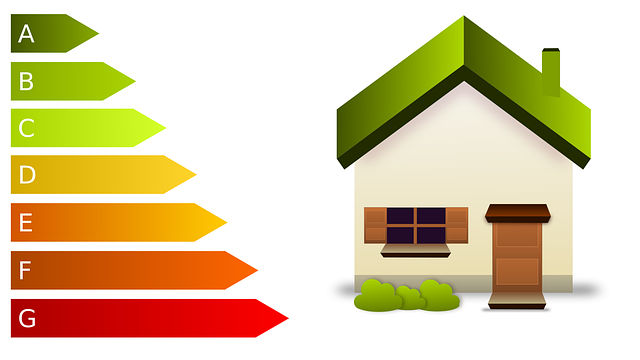
Energy efficiency ratings are a critical metric for investors looking to navigate the costs associated with lending. Understanding these ratings involves grasping how they measure the energy performance of various systems and appliances in buildings. The most common scale, used globally, is Leadership in Energy and Environmental Design (LEED) certification, which rates structures based on their overall sustainability and efficiency. This includes considerations like heating, cooling, water usage, and lighting—all key factors that influence operating costs over time.
A deeper dive into energy efficiency ratings reveals a direct correlation with investment returns. Buildings with higher energy efficiency ratings tend to have lower utility bills, making them more attractive to both tenants and investors. For instance, according to the U.S. Department of Energy, buildings that implement energy-efficient upgrades can save up to 30% on energy costs annually. This translates into significant savings over the life of a loan, enhancing the overall financial viability of these properties for lenders and investors.
When comparing investment opportunities, evaluating energy efficiency ratings becomes a strategic tool. A detailed analysis allows investors to identify properties with exceptional potential for long-term cost savings. For example, comparing two similar commercial spaces, the one with a LEED Gold certification may command higher rental rates due to its superior environmental performance. This not only boosts tenant appeal but also ensures ongoing operational efficiency that benefits both the investor and the borrower. Effective use of energy efficiency ratings in lending factors can help steer investors toward sound, sustainable choices, fostering a win-win scenario for all involved parties.
Impact on Investor Costs: An Overview

Energy efficiency ratings play a pivotal role in shaping investor costs across various lending sectors. These ratings, which assess the energy performance of buildings, appliances, or even entire communities, directly influence financing terms and interest rates. A comprehensive energy efficiency rating comparison reveals that higher-rated assets often command lower borrowing costs due to reduced operational expenses and perceived risk. For instance, a study comparing commercial properties found that buildings with top-tier energy efficiency ratings could secure loans at rates up to 20% lower than less efficient counterparts.
The impact on investor costs is multifaceted. First, it lowers the initial investment required for purchasing or upgrading assets. This is particularly beneficial in capital-intensive industries where energy bills constitute a significant portion of operational expenses. Second, energy-efficient investments typically exhibit higher occupancy rates and tenant retention due to their cost-saving benefits. As such, investors may enjoy improved cash flow stability and faster payback periods on their loans. For example, an energy-efficient retrofit that reduces heating and cooling costs by 30% can translate into substantial savings for tenants, making these properties more attractive and increasing investor returns.
Furthermore, government incentives and grants often accompany robust energy efficiency ratings, providing investors with additional financial leverage. Many jurisdictions offer tax credits, rebates, or low-interest loans to encourage the adoption of energy-efficient practices. These incentives not only reduce upfront costs but also enhance the long-term financial viability of projects. By strategically incorporating energy efficiency ratings into investment decisions, lenders and investors can navigate a complex market landscape with greater confidence, ensuring competitive returns while contributing to a sustainable future.
Lending Factors: How They Influence Investments

Energy efficiency ratings have emerged as a crucial lending factor, significantly influencing investment decisions across various sectors. As the global shift towards sustainable practices gains momentum, investors are increasingly incorporating these ratings into their evaluation criteria. This trend is particularly evident in real estate and renewable energy projects, where an energy efficiency rating can make or break a potential investment. For instance, a comprehensive study comparing green buildings with conventional ones found that properties certified with high energy efficiency ratings command premium prices and experience lower vacancy rates.
Lending factors, such as creditworthiness and risk assessment, are inherently tied to energy efficiency ratings. Financial institutions and investors now use these ratings to gauge the long-term performance and financial viability of assets. For example, a solar panel system installed in a residential property with an excellent energy efficiency rating can serve as collateral, enhancing the borrower’s creditworthiness. This integration has led to innovative financing models, such as performance-based loans, where investors are rewarded for projects exceeding expected energy savings. In a recent case study, a commercial building that implemented advanced insulation and HVAC systems achieved a 30% reduction in energy consumption, leading to significant cost savings for tenants and increased investor interest due to the improved energy efficiency rating.
Effective utilization of lending factors tied to energy efficiency ratings offers investors several strategic advantages. Firstly, it enables informed decision-making by quantifying potential returns on energy-efficient investments. Secondly, it promotes a more sustainable investment landscape, driving innovation in green technologies. By embracing these factors, investors can contribute to a greener economy while securing financially sound opportunities. As the market matures, investors who stay abreast of energy efficiency trends and incorporate ratings into their lending strategies are poised to gain competitive advantages and drive positive environmental change.
Efficient Buildings: Lower Operating Expenses

Energy efficiency ratings play a pivotal role in shaping investors’ decisions when considering lending factors. When evaluating buildings, one of the most significant advantages lies in the potential for lower operating expenses through efficient design and construction practices. This is particularly evident in today’s market where energy-conscious properties are gaining traction. Buildings with superior energy efficiency ratings can attract investors seeking long-term sustainability and cost savings.
A comprehensive energy efficiency rating comparison between similar properties often reveals notable differences in operational costs. For instance, a study by the U.S. Department of Energy showed that buildings with high energy performance ratings can save up to 30% on energy bills annually compared to their less efficient counterparts. These savings are not merely hypothetical; they translate directly into increased profitability for investors. As such, lenders and investors should consider energy efficiency ratings as a key indicator of a building’s financial health and stability.
Implementing energy-efficient measures goes beyond initial costs. Expert insights suggest that the long-term benefits outweigh the upfront investments. Buildings designed with energy efficiency in mind often incorporate strategies like improved insulation, high-efficiency HVAC systems, and smart lighting controls. These features not only reduce utility expenses but also enhance tenant comfort and satisfaction. In a competitive real estate market, properties offering superior energy performance can command higher rental rates and occupancy levels, further amplifying the financial advantages for investors.
Future Trends: Green Investing and ROI

As the global push for sustainability intensifies, energy efficiency ratings have emerged as a crucial lending factor, reshaping investment landscapes. Green investing, once a niche concern, is now a dominant trend, driven by both environmental urgency and financial incentives. The intersection of these factors creates a compelling narrative for investors to embrace energy-efficient ventures not only for ethical reasons but also for substantial returns on investment (ROI).
The future of lending and investment will increasingly hinge on comprehensive energy efficiency ratings comparisons. This involves meticulous analysis of a borrower’s or project’s potential to reduce energy consumption, thereby lowering operational costs and environmental impact. For instance, a thorough examination of energy-efficient technologies, building design, and renewable energy integration within a portfolio can unveil significant ROI opportunities. According to a 2021 study by the Global Green Growth Institute, green buildings achieve an average 25% lower lifecycle cost compared to conventional ones, thanks largely to enhanced energy efficiency ratings. This data underscores the financial viability of investing in energy-efficient projects.
Expert investors are leveraging these trends by integrating energy efficiency metrics into their risk assessment and diversification strategies. By prioritizing loans or investments with superior energy efficiency ratings, they can mitigate climate-related risks while capitalizing on emerging market opportunities. This proactive approach not only ensures long-term sustainability but also positions them to capitalize on the growing demand for environmentally responsible solutions. As governments worldwide implement stricter energy standards and consumers become more eco-conscious, the strategic use of energy efficiency ratings will remain a powerful tool for investors seeking both financial gain and positive environmental impact.