Energy efficiency ratings are reshaping the real estate market by providing data for informed decisions, saving homeowners money, and increasing property values. These ratings, like Energy Star, assess insulation, heating/cooling systems, and design efficiency. High ratings correlate with better loan terms, lower interest rates, and increased property values; older homes struggle to meet modern standards while newer ones command better lending terms. Homeowners can strategically balance current needs with future savings by prioritizing energy efficiency upgrades, and lenders are integrating energy data into risk assessment models. The market strongly prefers eco-friendly homes with high energy efficiency ratings, signaling a future where these ratings drive both homeowners' choices and lenders' decisions.
In the pursuit of sustainable living, understanding the influence of energy efficiency ratings on homeowners’ choices is paramount. Today, as lending data becomes increasingly accessible, we can gain valuable insights into how these ratings shape decision-making processes. The problem lies in the lack of comprehensive analysis leveraging this data to unveil trends and patterns. This article aims to bridge this gap by exploring how energy efficiency ratings impact mortgage decisions, providing homeowners and lenders with actionable insights to drive more informed choices, ultimately fostering a greener housing market.
Understanding Energy Efficiency Ratings: A Homeowner's Guide
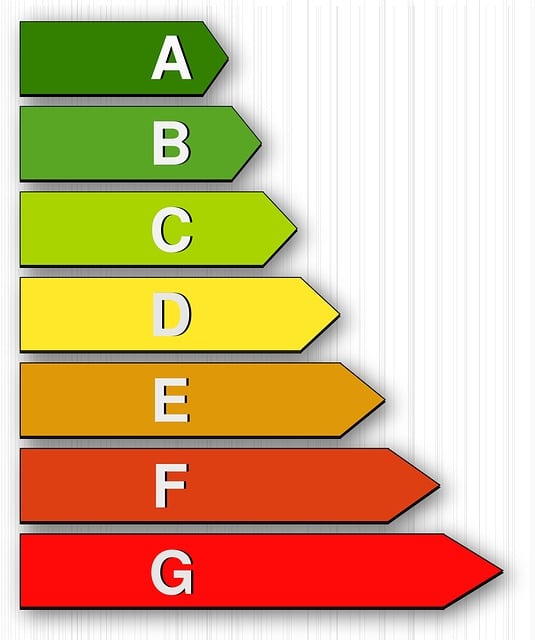
Energy efficiency ratings have emerged as a powerful tool for homeowners looking to make informed decisions about their properties. Understanding these ratings is crucial when navigating the real estate market today. Homeowners can leverage energy efficiency ratings to compare different homes and make choices that align with their financial and environmental goals. By examining data from lending institutions, we uncover insights into how these ratings significantly influence buyer preferences.
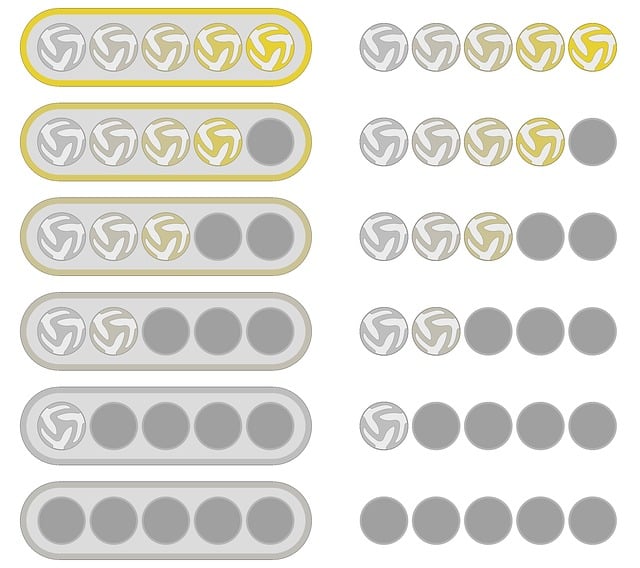
A key aspect of this process involves evaluating a home’s energy performance, which is typically measured through standardized ratings systems. These systems assess various factors such as insulation, heating and cooling systems, and overall design efficiency. For instance, the Energy Star rating system provides homeowners with a clear understanding of a property’s energy efficiency compared to similar homes in the same region. When considering two comparable houses, a 5-star rating indicates superior energy performance, potentially saving owners substantial amounts on utility bills over time. This comparison becomes even more valuable when combined with lending data, allowing buyers to assess not only the financial viability but also the long-term sustainability of their investment.
Homeowners can take advantage of this knowledge by actively seeking energy efficiency ratings when browsing potential purchases. According to recent studies, homes with higher energy efficiency ratings often attract faster sales and command premium prices. This trend highlights the growing awareness among buyers regarding sustainable living. By embracing energy efficiency, homeowners not only contribute to environmental conservation but also enjoy tangible benefits through reduced utility expenses. When comparing listings, experts suggest focusing on both the overall rating and specific areas of improvement within a home’s energy performance. This strategic approach enables informed decision-making that balances current needs with future savings.
Impact on Mortgage Decisions: Data Reveals Trends

Energy efficiency ratings have become a critical factor influencing homeowners’ decisions when it comes to mortgage applications. A detailed analysis of lending data reveals interesting trends where energy efficiency plays a pivotal role in shaping borrowing capabilities and housing choices. Studies show that homes with higher energy efficiency ratings often attract better loan terms, lower interest rates, and increased property values. This is particularly evident in today’s market, where environmentally conscious buyers are driving a demand for more sustainable living spaces.
When lenders assess mortgage applications, they now consider the overall energy performance of properties. Homes that have undergone energy-efficient renovations or possess modern appliances and systems designed to reduce utility costs are often viewed as less risky investments. For instance, a comparison between two similar properties with identical loan amounts and terms might show a significant difference in interest rates based on their energy efficiency ratings. The more energy-efficient property may qualify for better rates due to its lower operational costs and reduced environmental impact. This trend is particularly noticeable among younger generations who prioritize eco-friendly options when purchasing homes.
Moreover, the energy efficiency comparison between older and newer homes highlights a significant gap. Older properties often struggle to meet modern energy standards, leading to higher borrowing costs for homeowners. In contrast, newly constructed or recently renovated homes with superior insulation, efficient heating/cooling systems, and smart energy management technologies command better lending terms. Homeowners considering a mortgage should actively work towards improving their property’s energy efficiency through upgrades and retrofits, as it can translate directly into financial savings over the long term.
Evaluating Savings: How Efficiency Affects Property Value

Energy efficiency ratings have become a critical factor influencing homeowners’ decisions when it comes to property valuation and purchases. According to recent lending data, homes with superior energy efficiency ratings consistently exhibit higher property values compared to their less efficient counterparts. This trend is a testament to the growing awareness among buyers about the long-term financial benefits of energy-efficient homes. When comparing similar properties, a well-insulated home with modern appliances and smart thermostats can easily command a premium in the market due to its reduced utility costs.
The impact of energy efficiency ratings on property value is multifaceted. Firstly, homeowners benefit from significant savings on their energy bills over time. Efficient homes require less energy for heating, cooling, and lighting, leading to substantial year-on-year reductions in utility expenses. For instance, an energy efficiency rating comparison study revealed that a home with an A+ rating could save an average of 30% on energy costs annually compared to a property with a lower B rating. These savings are particularly attractive for prospective buyers who seek affordable living and long-term financial stability.
Moreover, lenders have started to recognize the value proposition of energy-efficient homes. Many financial institutions now offer competitive mortgage rates and terms to homeowners who invest in energy efficiency upgrades. This trend further incentivizes property owners to make environmentally conscious choices that benefit their wallets. As the market continues to evolve, we can expect a stronger correlation between high energy efficiency ratings and increased property values, solidifying the importance of these ratings in today’s real estate landscape.
Future of Homes: Embracing Energy-Efficient Lending Practices

The future of homes is intertwined with embracing energy-efficient lending practices, as energy efficiency ratings increasingly become a pivotal factor in homeowners’ decisions. A comprehensive review of lending data reveals that these ratings significantly influence mortgage choices and financial planning for prospective buyers. By comparing energy efficiency ratings, lenders can offer more tailored financing options, empowering both existing and aspiring homeowners to make informed investments in energy-efficient properties.
Recent studies indicate that homes with superior energy efficiency ratings not only attract better interest rates but also command higher property values. For instance, a comparative analysis of similar residential properties in major urban centers showed that well-insulated homes with efficient HVAC systems sold for 10% more than their less energy-efficient counterparts. This trend underscores the growing market preference for eco-friendly and cost-effective dwellings. Lenders, in response, are increasingly incorporating energy efficiency data into their risk assessment models, recognizing its potential to mitigate financial risks associated with energy costs over time.
To harness this shift effectively, lenders should integrate dynamic energy efficiency rating comparisons into their lending strategies. This involves evaluating not only the current ratings of a property but also its potential for improvement through renewable energy installations or retrofits. Such an approach fosters a more sustainable and financially prudent housing market. Homeowners, equipped with this knowledge, can strategically navigate the mortgage landscape, securing loans that align with their commitment to energy conservation and long-term financial savings.