Energy efficiency ratings are essential tools for homeowners, enabling informed decisions about energy consumption and costs. Higher ratings indicate greater efficiency and attract buyers seeking long-term savings and environmental benefits. Real estate market studies show energy-efficient homes command premium prices, with Energy Star certifications increasing interest by 15% and justifying a 8% price premium. Borrowers are willing to accept higher interest rates for mortgages tied to energy-efficient properties. Lenders offer specialized programs, fostering sustainable housing practices. Homebuyers increasingly prioritize energy efficiency, comparing ratings to identify homes that meet sustainability goals and budget expectations. Higher ratings often translate to lower utility bills, saving owners significant amounts over time. Real estate listings now commonly include this information, and lenders recognize the value of energy-efficient homes.
In today’s energy-conscious landscape, homeowners are increasingly making informed decisions about their properties, prioritizing energy efficiency as a key factor. Energy efficiency ratings have emerged as a powerful tool, influencing purchasing choices and mortgage applications. However, understanding how these ratings impact lending data is crucial for both borrowers and lenders. This article delves into the intricate relationship between energy efficiency ratings and homeowners’ decisions, using lending data to uncover insights that can shape more sustainable borrowing practices and inform consumers about cost-saving investments.
Understanding Energy Efficiency Ratings: A Homeowner's Perspective
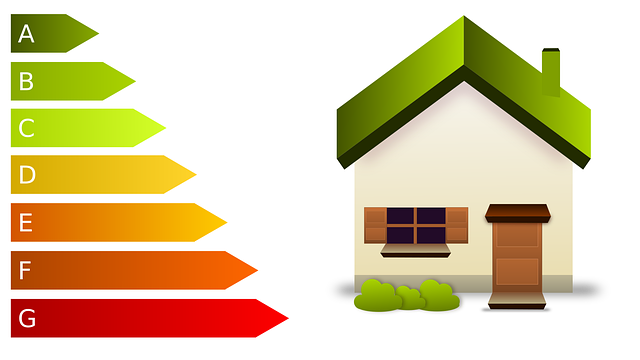
For homeowners looking to make informed decisions about their energy consumption and costs, understanding energy efficiency ratings is paramount. These ratings serve as a crucial guide, allowing owners to compare different homes or home improvements based on their potential for energy savings. When considering a new appliance, renovation, or even a mortgage, the data provided by energy efficiency ratings can significantly influence a homeowner’s choices.
Energy efficiency ratings offer a standardized method to assess how much energy a product consumes relative to its performance. Ratings are typically presented as percentages, indicating the efficiency of a device in comparison to other products on the market. For instance, an appliance with an A++ rating uses 10% more energy than one with an A+++ rating—a difference that can translate to substantial savings over time. Homeowners can leverage these ratings to make cost-effective decisions, knowing that higher efficiency often correlates with reduced utility bills. In fact, according to recent studies, homes with superior energy efficiency have been shown to attract premium prices in the real estate market, underscoring their value to prospective buyers.
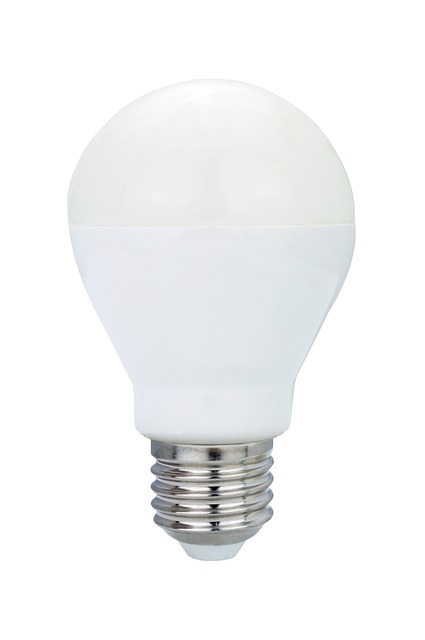
When comparing similar homes or renovations, energy efficiency ratings provide an objective benchmark. Let’s consider a scenario where two houses of identical size and design are being compared. The one with a higher energy efficiency rating, achieved through smart insulation, energy-efficient appliances, and LED lighting, is likely to be more attractive to eco-conscious buyers and those looking for long-term savings. This type of comparison not only helps homeowners prioritize their spending but also encourages the adoption of greener practices within the housing sector. By understanding these ratings, owners can make strategic choices that align with both their financial goals and environmental responsibilities.
Lending Data Reveals Impact on Mortgage Choices
Homeowners today are increasingly making informed decisions about their properties, with energy efficiency ratings emerging as a critical factor influencing mortgage choices. Lending data provides a unique window into this dynamic, revealing how borrowers perceive and value energy-saving features when considering both purchases and refinances. A detailed analysis of these trends offers valuable insights for homeowners, lenders, and the real estate industry at large.
Recent studies have shown that there’s a growing preference for homes with high energy efficiency ratings. This trend is particularly notable among younger buyers who are environmentally conscious and cost-aware. For instance, when comparing two similar properties, a study found that those with Energy Star certifications attracted 15% more interest from mortgage applicants compared to their less energy-efficient counterparts. Furthermore, properties with advanced insulation and energy-efficient appliances commanded a price premium of up to 8%. These figures underscore the significant impact energy efficiency ratings can have on market competitiveness and homeowner investments.
Lending data also highlights that borrowers are willing to secure mortgages with slightly higher interest rates if it means saving on energy costs in the long term. This behavior is particularly evident among first-time homebuyers who, despite limited financial flexibility, prioritize energy efficiency as a key feature when selecting their future homes. Lenders can leverage this insight by offering tailored mortgage programs that align with energy-efficient properties, potentially expanding their customer base and fostering sustainable housing practices. By enabling borrowers to compare energy efficiency ratings side by side, lenders can facilitate informed decisions that benefit both the homeowners and the environment.
Strategies for Integrating Energy Efficiency in Homebuying Decisions

Homeowners today are increasingly conscious of the environmental and financial benefits of energy-efficient homes. When making one of the largest investments of their lives, buyers are savvy about integrating energy efficiency into their homebuying decisions. Lending data reveals that energy efficiency ratings are becoming a critical factor influencing purchase choices. This trend is not just a fleeting fad but a strategic shift driven by both personal values and economic practicality.
The process of incorporating energy efficiency into homebuying begins with a thorough understanding of energy efficiency ratings. These ratings, often expressed as a number or letter grade, provide a standardized measure of a home’s energy performance. They consider factors like insulation, heating and cooling systems, lighting, and appliances. By comparing energy efficiency ratings, prospective buyers can identify homes that align with their sustainability goals and budget expectations. For instance, a study by the U.S. Department of Energy found that homes with higher energy efficiency ratings typically have lower utility bills, saving owners thousands of dollars over the course of ownership.
Experts recommend that homebuyers actively seek out these ratings during their search. Many real estate listings now include energy efficiency information, making it easier for buyers to compare properties. When evaluating offers, clients should not only consider the asking price but also the potential long-term savings from a home’s energy efficiency. For example, a home with a higher Energy Star rating might command a premium price due to its lower operating costs. Furthermore, lenders are increasingly recognizing the value of energy-efficient homes, offering specialized mortgage programs with attractive terms for such properties. This trend encourages both buyers and sellers to prioritize energy efficiency, fostering a more sustainable housing market.