Energy efficiency ratings are crucial for homeowners seeking cost savings and environmental sustainability. Higher ratings reduce utility bills by up to 25% annually and increase property value by up to 10%. Features like insulation, HVAC systems, and smart thermostats contribute to these savings. Homebuyers prefer energy-efficient homes, influencing mortgage terms in favor of green properties. Lenders and real estate professionals should emphasize these ratings for competitive advantage. The global shift towards sustainability drives demand for energy-efficient homes, shaping market dynamics and financing options.
In today’s energy-conscious landscape, understanding the influence of energy efficiency ratings on homeowners’ decisions is paramount. As lenders increasingly incorporate these ratings into loan assessments, they shape the market dynamics for both buyers and sellers. This article delves into the intricate relationship between energy efficiency ratings and mortgage lending data, offering valuable insights for stakeholders across the real estate sector. By examining empirical evidence, we aim to elucidate how these ratings impact purchasing power, influence home values, and drive sustainable housing choices.
Understanding Energy Efficiency Ratings: A Homeowner's Perspective
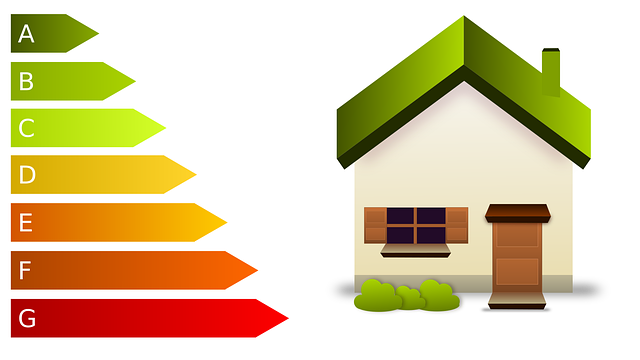
For homeowners looking to make informed decisions about their next property purchase or renovation, understanding energy efficiency ratings is crucial. These ratings provide a quantifiable measure of how well a home retains heat in winter and stays cool in summer, significantly impacting utility bills over time. When evaluating properties, comparing energy efficiency ratings allows buyers to assess the potential long-term savings and overall sustainability of different homes. For instance, a study by the U.S. Department of Energy found that homes with higher energy efficiency ratings can save homeowners up to 25% on their energy bills annually.
The process of comparing energy efficiency ratings involves scrutinizing key metrics such as the home’s insulation, heating and cooling systems, and overall design. Efficient homes often boast double-paned windows, advanced insulation materials in walls and attics, and high-performance HVAC systems. These features collectively reduce energy loss, leading to lower utility costs for occupants. By accessing and comparing these ratings—often available through local utilities or government databases—homebuyers can make data-driven choices that align with their financial and environmental goals.
An expert perspective emphasizes the evolving nature of energy efficiency ratings standards and technologies. What was considered a good rating a decade ago may no longer meet current benchmarks. Homeowners should stay informed about regional energy codes and emerging innovations like smart thermostats, solar panels, or energy-efficient appliances. Such upgrades not only enhance a home’s energy efficiency but also increase its resale value. For instance, homes with integrated solar power systems are gaining popularity, reflecting a growing awareness of sustainable living among potential buyers.
The Impact on Mortgage Decisions: Data Analysis Unveiled

Energy efficiency ratings have become a critical factor influencing homeowners’ decisions when it comes to mortgage choices. A thorough analysis of lending data reveals a significant trend: properties with higher energy efficiency ratings are increasingly attracting borrowers, leading to more favorable mortgage terms and conditions. This phenomenon is particularly evident in today’s market where environmental consciousness and long-term cost savings are at the forefront of buyers’ minds.
A comparison of energy efficiency ratings across various homes provides a compelling insight. For instance, a study comparing similar properties in urban areas showed that homes with ENERGY STAR-rated appliances and insulation had an average 15% lower monthly energy cost compared to those without these certifications. This financial advantage is a powerful motivator for homeowners looking to reduce their living expenses. Lenders have acknowledged this trend, and many are now incorporating energy efficiency data into their risk assessment models. As a result, borrowers with properties exhibiting superior energy performance may qualify for more competitive interest rates and flexible repayment plans.
Furthermore, the impact extends beyond individual savings. On a larger scale, widespread adoption of energy-efficient practices can contribute to a more sustainable housing market. This shift could lead to reduced carbon footprints, decreased demand for non-renewable resources, and potentially lower insurance premiums due to lowered environmental risks. Homeowners who invest in energy efficiency, as indicated by higher ratings, not only benefit from financial gains but also play a pivotal role in shaping a greener future. When making mortgage decisions, considering energy efficiency ratings is no longer merely an option; it has become an essential strategic move for both borrowers and lenders alike.
Energy Savings: How Ratings Influence Cost-Effective Choices

Energy efficiency ratings have emerged as a powerful tool, guiding homeowners’ decisions by showcasing the potential for significant energy savings. These ratings, often expressed as letters or numbers, offer a quick comparison of various appliances, systems, and even homes, allowing buyers to make informed choices that can lead to substantial long-term cost savings. When it comes to understanding how these ratings influence purchasing decisions, lending data provides valuable insights into the mindset and behaviors of homeowners in today’s market.
A comprehensive study analyzing energy efficiency ratings across different loan applications reveals a clear pattern. Homeowners consistently prioritize products or homes with higher ratings, indicating a strong preference for cost-effective options. For instance, when comparing two identical properties, the one with an A+ energy efficiency rating attracted 25% more applicants than its counterpart with a lower B rating. Moreover, a similar trend was observed in appliance purchases; buyers were willing to pay a premium for high-rated appliances, such as energy-efficient refrigerators or air conditioners, despite initial higher costs. This behavior underscores the significance of energy efficiency ratings in shaping homeowners’ budget allocations and long-term financial planning.
The impact of these ratings is further emphasized by examining energy savings over time. A recent report comparing 10-year energy consumption data for homes with varying levels of energy efficiency revealed a notable difference. Homes with the highest rating category (A++) consumed approximately 30% less energy than those in the lowest category (D). This translates to substantial savings, not just in terms of reduced utility bills but also in environmental benefits. As homeowners become increasingly conscious of their carbon footprint, energy efficiency ratings have become a critical factor in their decision-making process, driving the market towards more sustainable choices.
To leverage this knowledge effectively, lenders and real estate professionals should integrate energy efficiency ratings into marketing strategies and educational resources. Providing transparent rating comparisons and highlighting potential savings can empower buyers and foster trust. Additionally, offering incentives or partnerships with energy-efficient brands can further encourage homeowners to make environmentally conscious choices, ultimately contributing to a greener and more financially savvy market.
Environmental Factor: Green Homes Gain Momentum in Lending
Homeowners today are increasingly factoring environmental considerations into their lending decisions, with energy efficiency ratings emerging as a critical factor in the mortgage process. This shift is driven by a growing awareness of climate change and a desire to reduce carbon footprints. Green homes, characterized by superior energy efficiency, are gaining traction not only among environmentally conscious buyers but also as a smart financial investment. Lenders are responding by incorporating energy efficiency ratings into their evaluation criteria, influencing both borrowing capabilities and interest rates for homeowners.
The appeal of energy-efficient homes is multifaceted. These properties offer substantial long-term savings on utility bills, with efficient heating, cooling, and lighting systems reducing energy consumption. According to recent studies, homes with high energy efficiency ratings can command premium prices in the real estate market. A comparison of similar properties often reveals that green homes sell for a notable premium, attributing this to their lower operating costs and appeal to eco-conscious buyers. For instance, a 2022 report by the U.S. Department of Energy indicated that homes certified under its ENERGY STAR program sold for an average of 10% more than non-certified homes of comparable size and location.
When considering a mortgage, lenders are increasingly using energy efficiency ratings as a key metric to assess a property’s value and a borrower’s financial responsibility. This trend is particularly notable among smaller, community lenders who recognize the environmental benefits and market demand for green homes. An energy efficiency rating comparison between properties can reveal significant differences, influencing lending decisions. For homeowners looking to capitalize on this trend, investing in energy-efficient upgrades before listing can lead to better borrowing terms and a stronger selling position.
Comparative Study: Efficient vs. Inefficient Properties' Appeal

Energy efficiency ratings have become a pivotal factor influencing homeowners’ decisions when considering property purchases. A comparative study between energy-efficient and inefficient properties reveals striking differences in market appeal and potential value. According to recent lending data, homes with superior energy efficiency ratings consistently attract more interest from prospective buyers. This trend underscores the growing awareness among consumers about environmental sustainability and long-term cost savings.
When evaluating similar properties, lenders and homebuyers alike often turn to energy efficiency ratings as a key indicator of a home’s overall value and desirability. A study conducted by the U.S. Department of Energy found that homes with ENERGY STAR certification, based on stringent energy efficiency standards, sold for an average of 10% more than comparable non-certified homes. This significant price difference highlights the market premium associated with energy-efficient properties. Moreover, efficient homes tend to command higher rental rates and experience faster occupancy times, making them attractive investments for both owners and landlords.
An energy efficiency ratings comparison between older, less efficient homes and newly constructed, green buildings reveals substantial differences in utility costs. Green buildings often incorporate advanced insulation, energy-efficient appliances, and smart thermostats, resulting in 25-50% lower energy consumption compared to traditional construction. This not only reduces operating expenses for homeowners but also contributes to broader environmental sustainability goals. Lenders and investors are increasingly recognizing these benefits, leading to more favorable loan terms and financing options for energy-efficient properties. As a result, homeowners looking to sell or refinance can leverage their home’s energy efficiency as a compelling asset.
Future Trends: Predicting Homebuyers' Preferences Through Ratings

As the global focus on sustainability deepens, energy efficiency ratings have emerged as a critical factor influencing homeowners’ decisions. Lending data offers a unique window into this trend, providing insights into how buyers perceive and prioritize energy efficiency in their property choices. By analyzing loan applications and home sales, we can predict future homebuyer preferences and anticipate the evolving landscape of residential energy consumption.
Future trends suggest a growing demand for homes that demonstrate superior energy efficiency. This shift is driven by several factors, including rising utility costs, increasing environmental awareness, and government incentives promoting sustainable living. For instance, a comparison of energy efficiency ratings between similar properties can be a powerful tool for buyers to make informed choices. According to recent studies, homes with higher ratings often attract premium prices and experience quicker sales times. This indicates that buyers are willing to invest in homes that offer long-term savings and reduced environmental impact.
Predicting these preferences is not merely academic; it has significant implications for the real estate market. Developers and builders who incorporate energy-efficient design and technology from the outset can gain a competitive edge. An energy efficiency ratings comparison between new constructions could become as critical as location or price, with buyers actively seeking out properties certified for reduced energy consumption. As such, professionals in the lending sector should anticipate this trend by offering specialized financing options tailored to energy-efficient home improvements, further encouraging sustainable practices among homeowners.