
Energy efficiency ratings are crucial tools for borrowers seeking sustainable, cost-effective choices. They provide a standardized scale to compare energy consumption, enabling informed decisions on appliance and building upgrades. Online comparison tools simplify this process, empowering individuals to integrate sustainability into borrowing strategies. Increasing environmental awareness and regulations have made these ratings a pivotal factor in market strategies, with lenders offering better terms for energy-efficient properties. Borrowers can leverage government incentives and negotiation tactics to maximize benefits, enhancing borrowing power and contributing to sustainable development. A strategic approach includes researching ratings, considering costs, and setting reduction goals, with expert advice focusing on holistic improvements.
In today’s world, energy efficiency ratings play a pivotal role in shaping borrowers’ strategies, driven by the global push for sustainability and cost-saving measures. As current trends reveal, these ratings significantly influence borrowing decisions across various sectors, from residential to commercial real estate. Understanding how energy efficiency ratings are driving market dynamics is essential for both lenders and borrowers. This article delves into this intricate relationship, exploring the factors that prompt strategic adjustments and highlighting the value of enhanced energy efficiency as a key differentiator in today’s competitive landscape.
Understanding Energy Efficiency Ratings: The Basics
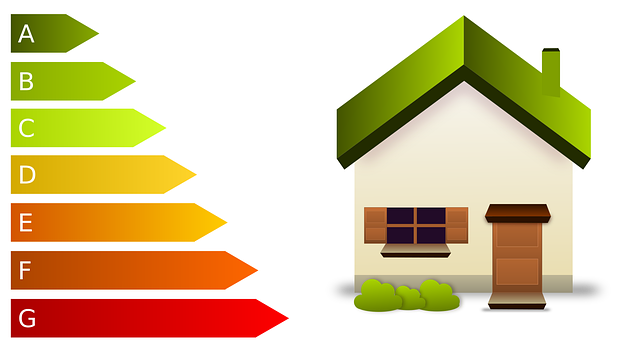
Energy efficiency ratings play a pivotal role in shaping borrowers’ strategies by offering a clear, standardized measure of an appliance or building’s energy performance. Understanding these ratings involves grasping how they quantify and compare energy consumption—a critical factor for consumers aiming to make informed decisions in today’s eco-conscious market. The basics revolve around a scale that scores devices or structures based on their energy efficiency, with higher numbers indicating superior performance.
For instance, when comparing modern LED light bulbs to traditional incandescent models, the energy efficiency ratings reveal a stark contrast. LED bulbs typically achieve efficiency ratings of 80 or above, consuming significantly less electricity while delivering comparable or even improved lighting quality. This simple comparison illustrates how borrowers can swiftly identify options that align with their sustainability goals and financial interests. Moreover, these ratings encourage manufacturers to innovate, driving the market towards ever-more efficient products.
Borrowers can leverage energy efficiency ratings to navigate a sea of options, ensuring they invest in products or renovations that offer both environmental and economic benefits. For instance, when financing a new home’s renovation, prioritizing energy-efficient appliances and insulation can lead to substantial long-term savings on energy bills. Energy efficiency ratings comparison tools available online make it easy to assess various products’ impact on utility costs over time. By integrating these insights into borrowing strategies, individuals not only contribute to sustainability but also gain control over their financial futures.
Current Trends in Energy Efficiency and Borrower Behavior

In today’s market, energy efficiency ratings have emerged as a powerful tool, shaping borrowers’ strategies significantly. With growing environmental consciousness and stricter regulatory norms, lenders are increasingly incorporating these ratings into their assessment processes. This trend is particularly evident in the residential and commercial real estate sectors where borrowers seek funding for energy-efficient upgrades or new constructions. For instance, a recent study revealed that properties with higher energy efficiency ratings attract better lending terms, including lower interest rates and more favorable repayment periods.
The current landscape witnesses a surge in comparison tools that enable prospective borrowers to benchmark their properties against others based on these ratings. This transparency has led to a race among lenders to offer competitive packages for energy-efficient projects. As a result, borrowers now have the leverage to negotiate better terms by presenting well-documented energy efficiency plans. For example, a commercial property owner looking to renovate an old warehouse can leverage an energy efficiency rating comparison between similar warehouses that have undergone renovations to secure substantial financial incentives from lenders.
Moreover, government incentives play a pivotal role in this trend. Tax credits and rebates for energy-efficient retrofits encourage borrowers to prioritize sustainability. Lenders, in turn, adapt their strategies by offering specialized loan programs tailored to these projects. This synergistic relationship between governmental support and lender flexibility is driving the adoption of energy efficiency ratings as a key decision factor. Borrowers must stay abreast of such developments to capitalize on opportunities that align with their projects’ environmental benefits.
How Efficiency Ratings Influence Financing Decisions

In today’s market, energy efficiency ratings have emerged as a pivotal factor shaping borrowers’ strategies. With increasing environmental consciousness and regulatory pressures, lenders are increasingly incorporating these ratings into their financing decisions. Borrowers with superior energy efficiency ratings can expect more favorable terms, including lower interest rates, extended repayment periods, and even government incentives. For instance, the Energy Star program in the United States offers a range of benefits to qualified homes and businesses, reflecting the market’s recognition of energy efficiency as both an environmental imperative and a sound financial strategy.
The influence of energy efficiency ratings on financing decisions is evident through a comparison of lending trends. Studies show that properties with high energy efficiency ratings attract more significant investments, with lenders viewing them as lower risk. This preference translates into better access to capital for efficient buildings, fostering a market-driven approach to sustainability. Moreover, borrowers with energy-efficient assets can leverage these ratings in negotiations, potentially securing substantial savings over the long term. For example, a commercial property with a top energy efficiency rating may command higher rental rates and attract tenants seeking sustainable options, creating a positive feedback loop that enhances both asset value and borrower reputation.
To maximize the benefits of energy efficiency ratings, borrowers should proactively assess and communicate their assets’ performance. This includes utilizing modern tools for energy efficiency ratings comparison to benchmark properties within their sector. Regular audits and updates ensure these ratings remain competitive, reflecting any improvements or advancements in energy-saving technologies. Lenders are increasingly demanding this data, making it an essential component of any financing application. By embracing these practices, borrowers not only enhance their borrowing power but also contribute to a broader trend of sustainable development, ensuring a brighter future for both the economy and the environment.
Strategies for Maximizing Energy Savings: A Borrower's Guide

In today’s energy-conscious landscape, borrowers are increasingly strategic about their financing decisions, particularly when it comes to optimizing energy costs. Energy efficiency ratings play a pivotal role in shaping this strategy, enabling borrowers to make informed choices that maximize energy savings over time. By comparing energy efficiency ratings of various options, borrowers can identify the most cost-effective and sustainable paths forward. For instance, an energy efficiency rating comparison between two similar appliances reveals that Model X consumes 20% less energy than its competitor, translating into significant long-term savings for homeowners.
Maximizing energy savings requires a multi-faceted approach. Borrowers should first conduct thorough research to understand the energy efficiency ratings of different products and systems within their budget. This includes considering not just initial costs but also ongoing operational expenses. For example, while a high-efficiency washing machine might carry a premium upfront, its superior energy rating could result in substantial savings over five years compared to a standard model. Once informed, borrowers can set clear goals for reduction and begin implementing strategies aligned with their financial and environmental objectives.
Expert advice emphasizes the importance of looking beyond individual components. Energy efficiency ratings comparison across entire home systems—from insulation to HVAC—provides a holistic view of potential improvements. Borrowers might discover that investing in better insulation pays dividends by reducing heating and cooling demands, leading to lower energy bills and an improved energy efficiency rating for their property. Additionally, leveraging government incentives and rebates for energy-efficient upgrades can significantly offset the initial investment, accelerating the return on these strategic borrowing decisions.