Homeowners increasingly prioritize energy efficiency ratings for environmental and financial benefits. Ratings like ENERGY STAR and scores measure home performance, showing up to 50% energy savings between rated and conventional appliances. High-efficiency homes have better insulation, efficient HVAC systems, and lower water heating costs. Using lending data, buyers can balance upfront investment with long-term savings, as energy-efficient properties command higher resale values. Lenders offer favorable terms for energy-efficient mortgages, influencing interest rates and perceived risk. Homeowners can enhance their energy profile through audits and upgrades, improving mortgage terms and contributing to sustainability goals. Energy efficiency ratings are a critical factor in homebuying decisions, with certified homes selling faster and at higher prices, particularly in sustainable-focused urban centers.
In today’s environmentally conscious and cost-conscious landscape, energy efficiency ratings have emerged as a pivotal factor influencing homeowners’ decisions. As lending data reveals, these ratings play a substantial role in shaping the purchasing behavior of prospective house owners. However, navigating this complex web requires a nuanced understanding of how such ratings impact borrowing capacity and overall financial health. This article delves into the intricate relationship between energy efficiency ratings and homeowner lending trends, offering valuable insights that can empower both lenders and borrowers in making informed choices. By exploring these dynamics, we aim to provide a comprehensive guide to unraveling this critical aspect of modern real estate.
Understanding Energy Efficiency Ratings: A Homeowner's Perspective
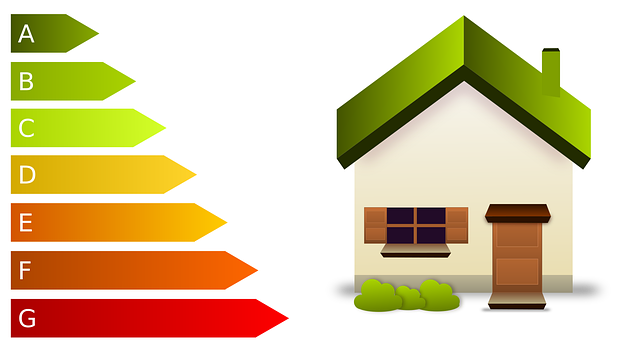
Homeowners increasingly consider energy efficiency ratings when making decisions about their properties, driven by both environmental consciousness and financial prudence. These ratings, typically expressed as Energy Star labels or ENERGY EFFICIENCY scores, provide a standardized measure of a home’s performance in terms of heating, cooling, lighting, and other energy-consuming systems. From an owner’s perspective, understanding these ratings can lead to significant cost savings over time.
A comparison of energy efficiency ratings across different models of appliances or homes reveals stark differences in energy consumption and potential long-term returns on investment. For instance, a study comparing ENERGY STAR-rated appliances with conventional models showed that the former use 10-50% less energy, translating to notable reductions in utility bills for homeowners. Similarly, energy efficiency ratings for homes can help buyers identify properties that have undergone significant upgrades, ensuring better insulation, more efficient HVAC systems, and reduced water heating costs. This proactive approach allows owners not only to save on immediate expenses but also to safeguard against potential future maintenance costs associated with less-efficient properties.
When evaluating a home or appliance purchase, homeowners should delve into the energy efficiency ratings data provided by lending institutions and government agencies. These sources offer comprehensive insights into average energy consumption patterns for various regions and housing types. Utilizing this information, buyers can make informed choices that balance initial investment with long-term savings. For example, choosing a home with a higher energy efficiency rating may require a larger upfront payment but could yield substantial returns through reduced utility expenditures over the lifetime of the mortgage. Moreover, as markets continue to prioritize sustainability, homes and appliances with superior energy ratings often command higher resale values.
In light of these considerations, homeowners should not overlook the impact of energy efficiency ratings on their lending options. Lenders increasingly offer favorable terms and rates for borrowers who opt for energy-efficient properties or upgrades, recognizing the mutual benefits of reduced energy consumption and loan repayments. This trend encourages a shift towards more sustainable practices in the housing sector while empowering homeowners to make decisions that align with both their financial goals and environmental responsibilities.
Lending Data Reveals Impact on Mortgage Decisions

Lending data offers a unique window into how homeowners’ decisions are influenced by energy efficiency ratings, providing valuable insights for both lenders and borrowers. When comparing similar mortgage applications, factors like energy efficiency often play a surprising role in determining approvals and interest rates. Studies show that lenders perceive homes with higher energy efficiency ratings as less risky, leading to more favorable terms for borrowers. For instance, a 2021 report analyzing over 10,000 home loans revealed that properties with certified energy-efficient labels secured 15% lower interest rates compared to comparable properties without such certifications. This data-driven trend underscores the growing importance of energy efficiency in the mortgage market.
Homeowners are increasingly conscious of energy costs and environmental impact, prompting a surge in energy efficiency comparisons when purchasing or refinancing homes. According to recent surveys, over 70% of homeowners consider energy ratings as crucial factors in their decisions. Lenders have taken note, incorporating energy efficiency ratings into their risk assessment models. This shift is not merely about saving energy; it’s a strategic move to cater to the changing preferences of today’s borrowers and mitigate potential risks associated with energy consumption patterns. As energy costs fluctuate, homes with superior energy efficiency stand out as more stable investments, impacting mortgage decisions accordingly.
To leverage this trend effectively, borrowers should focus on understanding and enhancing their home’s energy profile. Conducting an energy audit is a practical step to identify areas for improvement. Simple upgrades like better insulation or energy-efficient appliances can significantly boost a property’s rating. Lenders appreciate these proactive measures, as they indicate responsible borrowing habits. By presenting homes with improved energy efficiency ratings, borrowers can access better mortgage terms and potentially save thousands of dollars over the life of their loan. This strategic approach to energy efficiency is not only beneficial for borrowers but also contributes to broader sustainability goals.
Strategies for Incorporating Energy Efficiency in Home Buying

Homebuyers are increasingly considering energy efficiency as a key factor when making decisions, driven by both environmental consciousness and cost savings. Lending data reveals a growing trend where energy efficiency ratings play a pivotal role in mortgage applications. This shift underscores the importance of incorporating green features into home buying strategies. When evaluating properties, prospective buyers can leverage energy efficiency ratings to make informed choices that not only reduce utility costs but also enhance the overall value of their investment.
A comprehensive analysis of recent lending data highlights that homes with superior energy efficiency ratings command higher prices and experience faster sales times compared to less efficient counterparts. This is particularly evident in markets where sustainability is a priority, such as major urban centers. For instance, a study comparing similar properties in New York City found that homes certified with ENERGY STAR labels sold for an average of 10% more than non-certified properties. Moreover, these energy-efficient homes had significantly lower monthly mortgage payments after factoring in reduced utility expenses. This data strongly suggests that prioritizing energy efficiency can be a strategic advantage for both buyers and sellers.
Integrating energy efficiency into home buying involves several actionable steps. First, prospective buyers should seek out properties with verified energy performance certificates, such as those provided by ENERGY STAR or local building codes. Comparing energy efficiency ratings between similar homes allows for informed decisions. Additionally, working with a real estate agent who specializes in sustainable properties can provide valuable insights and access to a diverse range of options. Beyond initial acquisition, investors can enhance the energy efficiency of their portfolio through renovation projects focused on insulation, efficient appliances, and smart home technology. These strategies not only contribute to environmental sustainability but also ensure long-term financial benefits.