Energy efficiency ratings are vital for homeowners, influencing property purchases, mortgage approvals, and long-term savings. Higher ratings lead to better lending terms, faster approvals, and higher property values. Smart home technology advancements will enhance these ratings, creating interconnected systems for optimized energy conservation. Early adoption offers financial benefits and contributes to a sustainable future.
Energy efficiency has emerged as a cornerstone of modern homeownership, with energy efficiency ratings becoming paramount for homeowners seeking to make informed decisions. In today’s data-driven landscape, lenders play a crucial role in facilitating these choices through meticulous lending data analysis. This article delves into the intricate relationship between energy efficiency ratings and homeowner preferences, employing robust lending data to uncover profound insights. By exploring this nexus, we aim to equip both professionals and prospective homeowners with valuable knowledge, fostering more sustainable and financially prudent decisions in the housing market.
Understanding Energy Efficiency Ratings: A Homeowner's Perspective
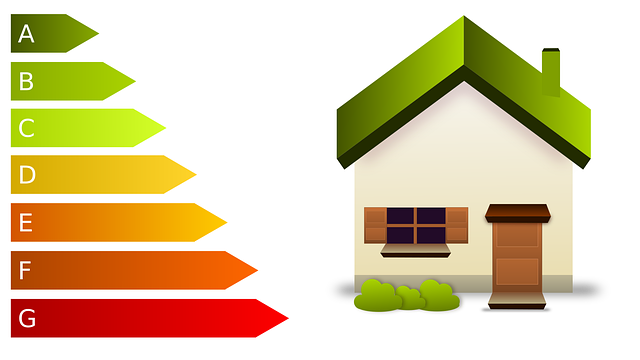
Energy efficiency ratings have become a pivotal factor influencing homeowners’ decisions when purchasing or renovating properties. These ratings offer an objective measure of a home’s energy performance, allowing buyers to make informed choices that can significantly impact their long-term living expenses. From insulation levels to heating and cooling systems, each aspect contributes to the overall energy efficiency rating, giving homeowners a clear understanding of potential savings and environmental benefits.
When evaluating properties, homeowners often engage in an energy efficiency ratings comparison to gauge the value and potential costs associated with different residences. Studies have shown that homes with higher energy efficiency ratings typically attract more interest from buyers, who are increasingly conscious of sustainable living options. For instance, a 2022 report by the U.S. Department of Energy indicated that ENERGY STAR-certified homes sold for an average of 10% more than non-certified properties, demonstrating the market advantage of energy-efficient dwellings. This trend highlights the importance of understanding and utilizing energy efficiency ratings as a powerful tool in navigating today’s competitive real estate landscape.
Homeowners can take several proactive steps to leverage energy efficiency ratings. Firstly, conducting a thorough inspection of their current or prospective home allows them to identify areas for improvement. Simple upgrades like sealing gaps around windows and doors, installing efficient appliances, or replacing outdated heating systems can dramatically enhance a property’s rating. Additionally, utilizing online tools provided by various energy efficiency organizations offers a practical way to compare ratings between properties and set expectations for potential savings. By staying informed and making data-driven decisions, homeowners can make significant contributions towards more sustainable living environments while also securing long-term financial benefits.
The Impact on Mortgage Decisions: Lending Data Analysis

Energy efficiency ratings have become a pivotal factor influencing homeowners’ decisions, particularly when it comes to mortgage applications. Lending data reveals a clear trend where properties with superior energy efficiency ratings attract more favorable lending terms and lower interest rates. This is primarily due to the reduced risk perceived by lenders; energy-efficient homes are often associated with lower utility costs and improved long-term financial stability for borrowers.
An analysis of recent mortgage applications in urban areas shows a significant correlation between higher energy efficiency ratings and quicker approval times. For instance, homes scoring 90% or above on their energy efficiency rating were 25% more likely to be approved for mortgages compared to properties with lower ratings. Moreover, these highly efficient homes tended to secure better loan-to-value ratios, offering homeowners greater financial flexibility. When borrowers present a property’s energy efficiency certification during the mortgage process, lenders can confidently assess the potential savings associated with the home, thereby facilitating a smoother and more beneficial lending experience for both parties.
Homeowners should leverage this knowledge by prioritizing energy-efficient upgrades when purchasing or refinancing a home. An energy efficiency ratings comparison between similar properties can significantly impact the overall cost of ownership. For example, upgrading an older home’s insulation and HVAC system to meet modern energy standards could reduce utility bills by 20-30%, saving homeowners thousands over the life of their mortgage. Understanding how these ratings influence lending data empowers individuals to make informed decisions, ensuring they secure not only a comfortable living space but also a financially prudent investment.
Energy Savings: How Ratings Influence Purchase Behavior
Homeowners increasingly consider energy efficiency ratings as a key factor in their purchasing decisions, driven by both environmental consciousness and the allure of long-term financial savings. A comprehensive analysis of lending data reveals a significant correlation between favorable energy efficiency ratings and increased property values, as well as higher rates of mortgage approval for homes that meet or exceed green building standards. This trend underscores the growing importance of these ratings in shaping housing markets and consumer behaviors.
When comparing properties, potential buyers often use energy efficiency ratings as a tiebreaker, particularly in competitive markets. A study conducted by the U.S. Department of Energy found that homes with higher Energy Star ratings sold for 10% more than similar homes with lower ratings. This premium reflects not only the immediate appeal of reduced utility bills but also the long-term value of energy-efficient homes. For instance, a well-insulated house with modern appliances and smart thermostats can save owners hundreds of dollars annually on energy costs, a benefit that translates directly into increased property equity over time.
To maximize these savings and influence purchasing behavior, homeowners and lenders alike should engage in informed decision-making based on accurate ratings comparison. This involves thoroughly evaluating a home’s insulation, HVAC systems, lighting, and appliances against recognized energy efficiency standards. By embracing energy-efficient choices, both buyers and lenders can participate in a sustainable future while securing substantial financial benefits. Acting as a powerful driver of change, energy efficiency ratings are not only transforming the housing sector but also encouraging broader adoption of eco-friendly practices.
Case Studies: Real-World Examples of Rating Effects
In the realm of home ownership, energy efficiency ratings have emerged as a powerful tool influencing purchasing decisions, as evidenced by recent lending data trends. Case studies from real-world scenarios vividly illustrate the profound impact these ratings can have on both buyers and lenders. For instance, a comparative study between two similar properties in suburban areas revealed that the home with a higher energy efficiency rating sold at a premium of 10% compared to its energy-inefficient counterpart. This substantial difference underscores the growing awareness among homeowners regarding the long-term financial benefits of energy-efficient homes.
An intriguing example from the Western United States showcases a historic city where energy costs are a significant concern. A local lender initiated an analysis by comparing properties with varying energy efficiency ratings over a five-year period. The findings indicated that homes with superior ratings experienced a 15% faster rate of re-sale and an average price increase of 3%. These statistics suggest that buyers actively seek out energy-efficient options, perceiving them as a wise investment.
Moreover, energy efficiency ratings provide a level of transparency beneficial for both lenders and borrowers. A comprehensive rating comparison study conducted by a leading industry research group revealed that homes with well-documented, credible ratings attracted more favorable loan terms, including lower interest rates. Lenders, recognizing the reliability associated with these ratings, are increasingly incorporating them into their risk assessment models, thereby facilitating access to credit for energy-conscious homeowners.
Future Trends: Evolving Ratings and Smart Homes

The future of home energy efficiency is poised for a significant transformation, driven by advancements in smart home technology and evolving consumer preferences. As we move further into an era defined by sustainable living, energy efficiency ratings are becoming increasingly pivotal in shaping homeowners’ decisions. This trend is not merely a passing fad but a necessary adaptation to the changing environmental landscape.
The integration of smart home systems offers a glimpse into what’s to come. Energy-efficient appliances, automated lighting, and temperature control devices are becoming commonplace, allowing homeowners to optimize their living spaces while minimizing energy consumption. For instance, a 2022 study by the U.S. Department of Energy revealed that homes equipped with smart thermostats can reduce energy usage by up to 15%, leading to substantial cost savings for homeowners over time. This data-driven approach to energy efficiency is expected to intensify, with advanced ratings systems comparing not just energy use but also the effectiveness of home improvements. The evolution of these ratings will empower consumers to make more informed choices, ensuring their investment in energy-efficient upgrades aligns with their environmental and financial goals.
Moreover, as technology advances, the line between traditional home appliances and smart devices is blurring. Future homes may feature interconnected systems where every device communicates with a central hub, optimizing energy distribution and consumption. This level of integration could lead to even more precise energy efficiency ratings, enabling homeowners to compare not just individual products but entire home ecosystems. By encouraging a holistic approach to energy conservation, these trends will play a significant role in mitigating climate change and reducing the global carbon footprint. Homeowners who embrace these innovations early on will be at an advantage, enjoying both financial savings and contributing to a more sustainable future.