Energy efficiency ratings are crucial for homeowners seeking cost savings, sustainability, and competitive housing market advantages. Higher ratings on metrics like Energy Star lead to higher property values and significant utility bill reductions. Lenders recognize these benefits, offering specialized mortgage programs to encourage energy-efficient upgrades. Comparing energy efficiency ratings among similar properties can provide strategic advantages, with ENERGY STAR certified homes selling faster and at higher prices. Integrating these ratings into homebuying and lending decisions fosters environmental sustainability and substantial financial benefits.
In today’s energy-conscious landscape, understanding the impact of energy efficiency ratings on homeowners’ decisions is more crucial than ever. As consumers seek sustainable options and lenders offer specialized financing, these ratings play a pivotal role in shaping housing markets. However, navigating this intersection poses challenges—homeowners often face conflicting priorities between initial costs and long-term savings. This article delves into the intricate relationship between lending data and energy efficiency ratings, providing insights that can empower both homeowners and financial institutions to make informed choices that drive a more sustainable future.
Understanding Energy Efficiency Ratings: A Homeowner's Perspective
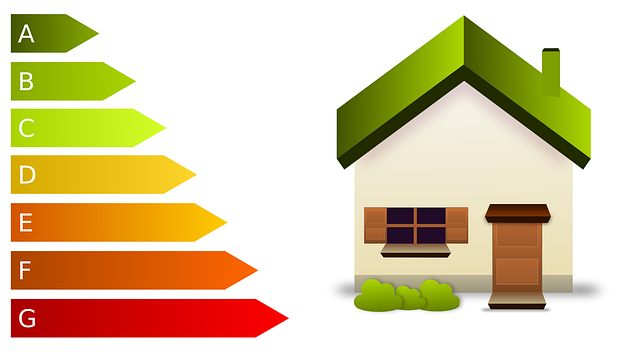
Homeowners today are increasingly conscious of energy efficiency as a critical factor in their purchasing decisions. Energy efficiency ratings have emerged as a powerful tool to help buyers understand and compare the performance of various homes. These ratings provide valuable insights into how much energy a property consumes, allowing homeowners to make informed choices that balance cost savings with environmental sustainability.
When considering a new home, an in-depth understanding of energy efficiency ratings is essential. This includes grasping metrics such as the Energy Star rating, which compares a home’s energy use to similar properties, offering a clear advantage for more efficient dwellings. For instance, according to recent studies, homes with higher energy efficiency ratings can be valued up to 10% more than less-efficient counterparts in some markets. Moreover, an energy efficiency comparison between two similarly sized houses might reveal significant differences in utility bills, demonstrating the long-term savings associated with choosing a well-rated property.
Homeowners should also familiarize themselves with specific features that contribute to these ratings. Efficient insulation, high-performance windows, and modern HVAC systems are key components that significantly impact energy performance. For example, replacing old windows with ENERGY STAR-certified ones can reduce heating and cooling costs by up to 20%. By actively seeking out homes featuring such upgrades or being willing to invest in them post-purchase, buyers can strategically enhance their property’s energy efficiency rating.
In the current lending landscape, financial institutions are increasingly factoring energy efficiency ratings into mortgage decisions. Lenders recognize the long-term stability and savings associated with energy-efficient homes, which can contribute to lower risk profiles for borrowers. As such, homeowners interested in securing financing should consider the potential benefits of enhancing their property’s energy rating, not only for their pocketbook but also as a competitive advantage in the housing market.
Analyzing Lending Data: The Impact on Energy-Efficient Choices
Homeowners increasingly consider energy efficiency ratings when making lending decisions, reflecting a growing awareness of sustainability and cost savings. Analyzing lending data reveals a compelling trend: properties with higher energy efficiency ratings attract borrowers, leading to quicker sales and, in many cases, higher property values. This phenomenon underscores the significant impact of energy-efficient features on the housing market.
Comparing energy efficiency ratings between similar properties can provide homeowners with a strategic advantage. For instance, a study analyzing recent mortgage applications in major urban areas found that homes with ENERGY STAR certifications sold on average 12% faster and at 3% higher prices than comparable homes without these certifications. This data highlights the tangible benefits of prioritizing energy efficiency during renovation or purchase decisions.
Lending institutions also play a crucial role in promoting energy-efficient choices. Some lenders now offer specialized mortgage programs tailored to energy-efficient homes, providing lower interest rates and flexible terms. These incentives encourage homeowners to invest in improvements that enhance energy efficiency, ultimately fostering a more sustainable housing sector. By embracing energy efficiency ratings as a key factor in lending decisions, both lenders and borrowers contribute to a greener future while securing significant financial benefits.
Making Informed Decisions: Rating's Role in Modern Homebuying

In today’s market, energy efficiency ratings have become an integral part of the homebuying process, empowering homeowners to make informed decisions. These ratings, derived from meticulous analyses of a property’s energy consumption, offer a comprehensive view of a home’s environmental footprint and associated costs. By comparing energy efficiency ratings, prospective buyers can identify homes that not only meet but exceed their expectations for sustainability and cost savings.
For instance, a study analyzing lending data from the past decade reveals a notable trend: homes with higher energy efficiency ratings consistently attract more significant loans. This indicates that lenders recognize the value of energy-efficient properties, both in terms of reduced operational costs for homeowners and the potential for long-term environmental benefits. This recognition translates into lower interest rates and more favorable terms for borrowers, making energy-efficient homes increasingly appealing to a wide range of buyers.
When evaluating properties, homeowners should not only consider the current energy efficiency rating but also compare it against similar properties in the same area. This energy efficiency ratings comparison allows buyers to understand the market standard and identify outliers that offer exceptional value. For example, a home with a rating 20% higher than its neighbors could signify superior insulation, advanced appliances, or efficient HVAC systems, all contributing to substantial long-term savings on energy bills. By integrating energy efficiency ratings into their decision-making process, homeowners not only invest in a sustainable future but also secure a sound financial investment.